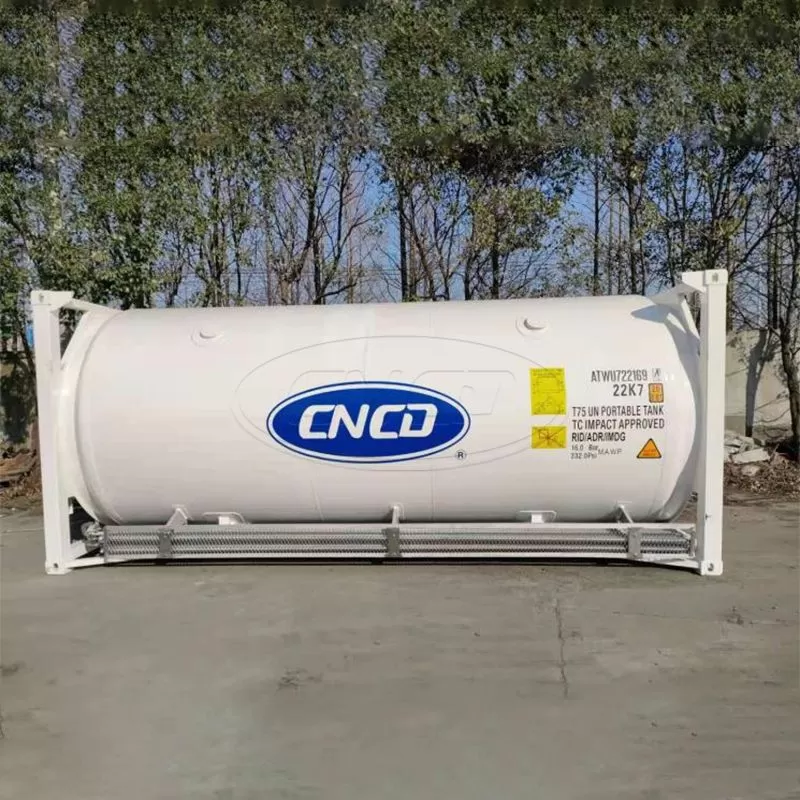
Buyer’s Guide to Cryogenic ISO Tank Containers for LNG Transportation

When it comes to transporting liquefied natural gas (LNG), utilizing cryogenic ISO tank containers is vital for ensuring safety and efficiency. These specialized containers maintain extremely low temperatures required for LNG storage and transportation. In this guide, we will delve into the essential features, benefits, and best practices surrounding cryogenic ISO tank containers, providing you with comprehensive insights that will inform your purchasing decisions.

Understanding Cryogenic ISO Tank Containers

  • Definition and Specifications
    • Definition of ISO Tank Containers
    • Technical specifications for cryogenic tanks
    • Understanding the ASME and DOT regulations
  • Applications of Cryogenic ISO Tanks
    • LNG transportation and storage scenarios
    • Comparing with other types of storage solutions
    • Environmental impact considerations

Key Features to Look For

  • Insulation and Structural Integrity
    • Characteristics of high-performance insulation materials
    • Importance of pressure and vacuum relief systems
  • Safety Features
    • Explosive atmosphere protections
    • Fire safety measures and compliance with safety standards
  • Transportability and Handling
    • Compatibility with various transport modes (truck, train, ship)
    • Ease of loading and unloading operations

Choosing the Right Supplier

  • Evaluating Quality and Certifications
    • Importance of supplier certifications (ISO, DOT, ASME)
    • Reviews and testimonials from previous customers
  • Cost vs. Value Analysis
    • Assessing initial costs versus long-term savings
    • Evaluating total cost of ownership (TCO)

Best Practices in LNG Transportation Using ISO Tanks

  • Regulatory Compliance
    • Understanding federal and state regulations
    • Staying compliant with international maritime regulations
  • Operational Safety Procedures
    • Training staff on safety precautions
    • Developing emergency response strategies

Maintenance and Inspection Protocols

  • Routine Inspections
    • Checklist for routine inspections
    • Significance of regular maintenance for longevity
  • Repair Strategies
    • Identifying common issues and how to address them
    • Deciding when to repair versus replace

Emerging Trends in Cryogenic ISO Tank Technology

  • Innovative Insulation Techniques
    • Explorations into vacuum insulation technology
    • Multi-layer insulation advancements
  • Smart Tank Technology
    • Integration of IoT in monitoring and management
    • Predictive maintenance through data analytics

Conclusion: Making an Informed Decision

With the complexities involved in LNG transportation, selecting the right cryogenic ISO tank containers is paramount for operational success. Investing time in understanding the specifications, safety features, supplier credentials, and best practices will empower you to make informed decisions. For further insights, visit CNCD Cryogenic for industry-leading solutions.


Additional Considerations for LNG Transportation

  • Global Market Trends
    • Overview of the global LNG market growth
    • Impact of geopolitical factors on LNG transportation
  • Environmental Considerations
    • Assessing the carbon footprint of LNG transportation
    • Adopting greener technologies and practices