Download
News
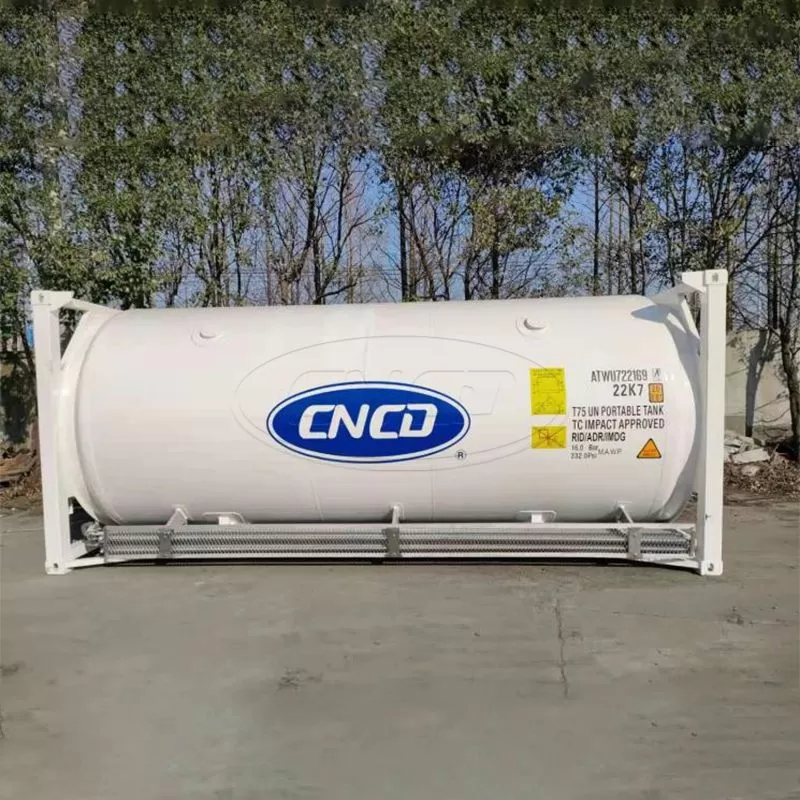
ISO tank containers are special containers that conform to the ISO (International Organization for Standardization) standards. They are used to transport liquids, gases, and powders in bulk. These containers are highly durable and come in two main types: standard ISO tank containers and cryogenic ISO tank containers.
| Parameter | Cryogenic ISO Tank Container | Standard ISO Tank Container |
|---|---|---|
| Temperature Range | -196°C to 50°C | -20°C to 60°C |
| Insulation Type | Vacuum insulation | No insulation |
| Weight | Heavier due to insulation | Lighter |
| Main Use Cases | LNG, argon, nitrogen | Liquid chemicals, food grade liquids |
Cryogenic ISO tank containers perform exceptionally well in extremely low temperatures, preserving the integrity of sensitive materials like liquefied gases. Users report that these containers provide a stable environment compared to standard containers, which may not adequately maintain critical temperature ranges.
Cryogenic containers maintain stable temperatures better than standard tanks, especially over longer shipping periods. Users have noted increased reliability in maintaining product integrity, which translates into better preservation and longer operational life of the transported materials.
Businesses dealing in cryogenic materials or requiring precise temperature control should opt for cryogenic ISO tank containers. Conversely, companies transporting non-sensitive liquids or chemicals can benefit from the functionality of standard ISO tank containers.
Both cryogenic and standard ISO tank containers serve essential roles in the transportation industry. Depending on your specific needs and the nature of the materials you\'re transporting, choosing the right type of container can optimize your operational efficiency. For businesses looking for reliable cryogenic solutions, CNCD offers a range of cryogenic ISO tank containers available at our website.