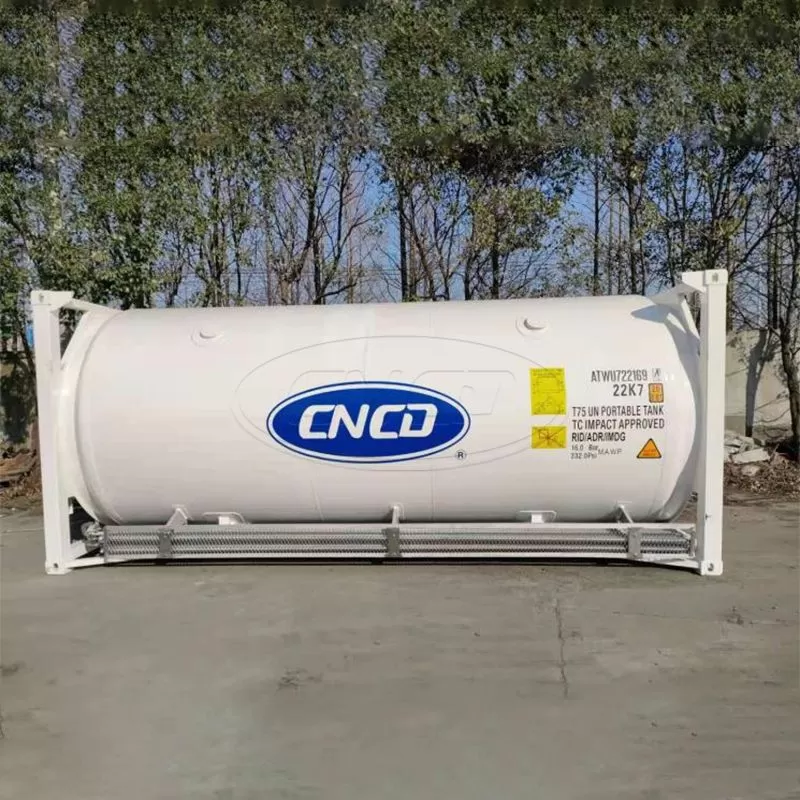
How ISO Tank Containers Improve Bulk Liquid Transportation Efficiency

1. Understanding ISO Tank Containers

What is an ISO Tank Container?

ISO tank containers are standardized, portable vessels designed to transport liquids, gases, and powders safely and efficiently. They conform to international standards set by the International Organization for Standardization (ISO).

Key Features of ISO Tank Containers

  • Made from stainless steel or aluminum for durability.
  • Equipped with thermal insulation for temperature control.
  • Compatible with various modes of transportation: road, rail, and sea.

2. Benefits of Using ISO Tank Containers

Enhanced Safety in Transportation

ISO tank containers provide superior safety features, minimizing leaks and spills during transit. Their design includes multiple safety valves and pressure relief systems.

Cost-Efficiency Compared to Traditional Methods

  • Reduced need for multiple transfers, saving on handling costs.
  • Lower fuel consumption due to higher capacity.

3. Steps to Optimize Bulk Liquid Transportation with ISO Tanks

First Step: Choose the Right ISO Tank Container

Select an ISO tank that meets your specific liquid type and transportation requirements. Consider factors like volume, weight, and compatibility with the liquid.

Second Step: Prepare for Loading

  • Ensure the tank is clean and free from residue.
  • Check for any damages that could affect safety.

Third Step: Efficient Loading Practices

Use pump systems for quick and easy loading. Ensure that the correct filling rate is followed to prevent overfilling.

Fourth Step: Monitor During Transportation

Install tracking systems to monitor the tank\'s condition and location during transit, ensuring the integrity of the cargo.

Fifth Step: Unloading Safely

  • Use appropriate equipment to unload the liquid quickly and safely.
  • Follow protocols to ensure no residual liquid is left in the tank.

4. Required Tools for ISO Tank Container Transportation

  • Pump systems for loading and unloading.
  • Safety gear for personnel handling the tanks.
  • Monitoring equipment for tracking and temperature control.

5. Common Mistakes to Avoid When Using ISO Tank Containers

Lack of Proper Inspection

Failing to inspect the tank before use can lead to leaks or other safety hazards.

Poor Loading Techniques

Using inadequate techniques can result in cargo damage or inefficient storage.

Neglecting Regulatory Compliance

Always ensure compliance with transport regulations and safety standards to avoid legal issues.

6. Sustainable Practices with ISO Tank Containers

Reduce Carbon Footprint

Using ISO tank containers can significantly lower emissions due to their efficiency and reduced fuel consumption during transport.

Reusability and Recycling

  • ISO tanks can be reused for different cargo types.
  • End-of-life recycling options help minimize waste.

In conclusion, ISO Tank Containers are a game-changer in bulk liquid transportation efficiency. Their safety features, cost-effectiveness, and adaptability make them essential for businesses looking to optimize their logistics. For more information or to explore our ISO Tank options, visit CNCD at our website.