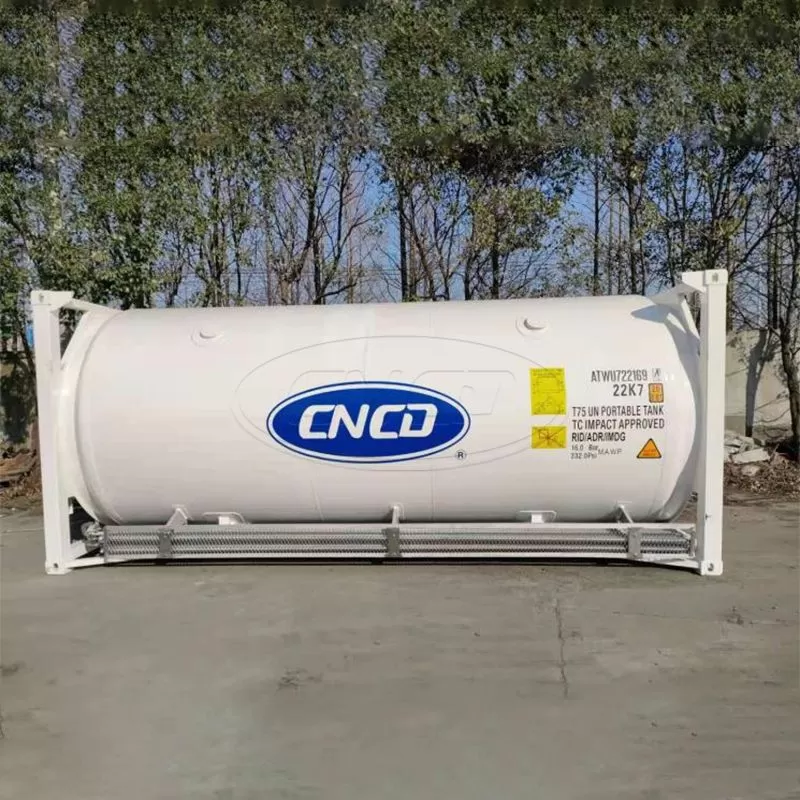
Understanding Cryogenic Liquids and Their Requirements
What are Cryogenic Liquids?
Cryogenic liquids are gases that have been cooled down to a very low temperature, resulting in a liquid state. Common examples include liquefied natural gas (LNG), liquid nitrogen (LN2), and liquid helium (LHe).
Key Properties to Consider
- Temperature Range: Identify the boiling points of the specific cryogenic liquids you need to transport.
- Pressure: Consider the operational pressures during transport and storage.
- Material Compatibility: Ensure the container materials can withstand low temperatures.
First Step: Define Your Requirements
Start by outlining your needs based on the type of cryogenic liquid being transported. This will dictate the specifications of the ISO tank container.
Second Step: Evaluate ISO Tank Container Types
There are several types of ISO tank containers customized for cryogenic liquids. Common types include:
- Insulated Tanks: For transporting liquids that need to stay ultra-cold.
- Refrigerated Tanks: For maintaining certain temperature controls during transit.
Third Step: Determine Volume and Capacity Needs
Assess how much cryogenic liquid you will generally transport. This is crucial for selecting the tank capacity:
- Standard sizes include 10,000 liters, 20,000 liters, etc.
- Consider the tank\'s dimensions for loading and unloading accessibility.
Fourth Step: Consider Safety Features
Safety is paramount when dealing with cryogenic liquids. Look for ISO tanks that include:
- Pressure relief valves
- Emergency shut-off systems
- Thermal insulation measures
Fifth Step: Analyze Compliance and Certification
Ensure that the ISO tank meets necessary local and international safety standards. Common certifications to look out for include:
- ISO 9001
- AD 2000
- DOT-407 compliance in the USA
Necessary Tools for the Selection Process
- Specification sheets for different tank models
- Safety regulations documents
- Cost comparisons from various suppliers
- Consultations with technical experts
Common Mistakes to Avoid
- Ignoring the specific needs of the cryogenic liquid.
- Underestimating compatibility issues with container materials.
- Neglecting to consider transportation methods and logistics.
- Overlooking the importance of safety certifications.
Conclusion
Choosing the right ISO tank container for cryogenic liquids is critical to ensure safety and efficiency in transport. By following the outlined steps and using the necessary tools, you can avoid common pitfalls in your selection process. Trust CNCD to provide a range of ISO tank containers that meet the diverse needs of cryogenic liquids transportation. For more information on our products, visit CNCD.


 Download