Download
 News
Vacuum insulation is a technique used to minimize heat transfer between surfaces by creating a vacuum layer. This is especially important in cryogenic ISO Tank Containers, where maintaining low temperatures is crucial for the preservation of liquefied gases.
The fundamental principle behind vacuum insulation is the reduction of conduction and convection. When a vacuum is created between two walls of a container, it eliminates air, thereby preventing heat transfer through these means.
Radiative heat transfer can still occur, but it is minimized through reflective surfaces. Adding reflective materials to the inner walls can enhance the insulation efficiency of cryogenic ISO tanks.
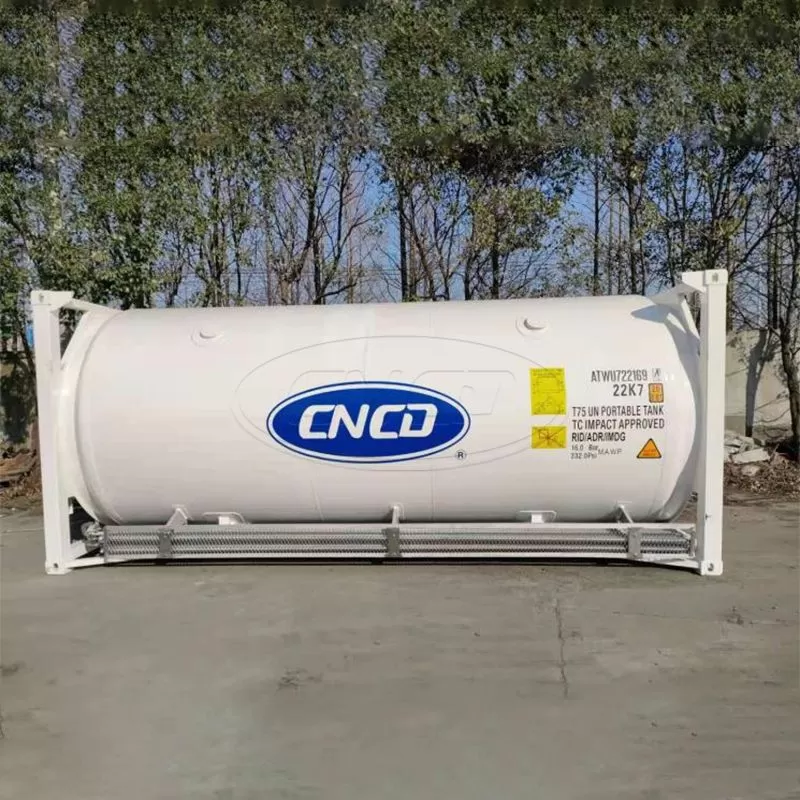
Choose a quality cryogenic ISO tank container from CNCD that meets your specific requirements for insulation and volume capacity.
Before installation, ensure the tank is clean and free from debris. Inspect for any existing damage that could compromise insulation effectiveness.
A vacuum pump is required to evacuate air between the tank walls. Be sure to:
Once the vacuum is achieved, seal the tank effectively to maintain the vacuum. This typically involves:
After sealing, wrap the outer tank with an insulating layer if required. This can include additional thermal barriers to improve efficiency.
Vacuum insulation is a vital aspect of maintaining the efficiency of cryogenic ISO tank containers. Understanding how it works ensures that products like those offered by CNCD—including high-quality cryogenic ISO tanks—can effectively preserve gaseous materials at low temperatures. For more information, visit our website here.