Download
News
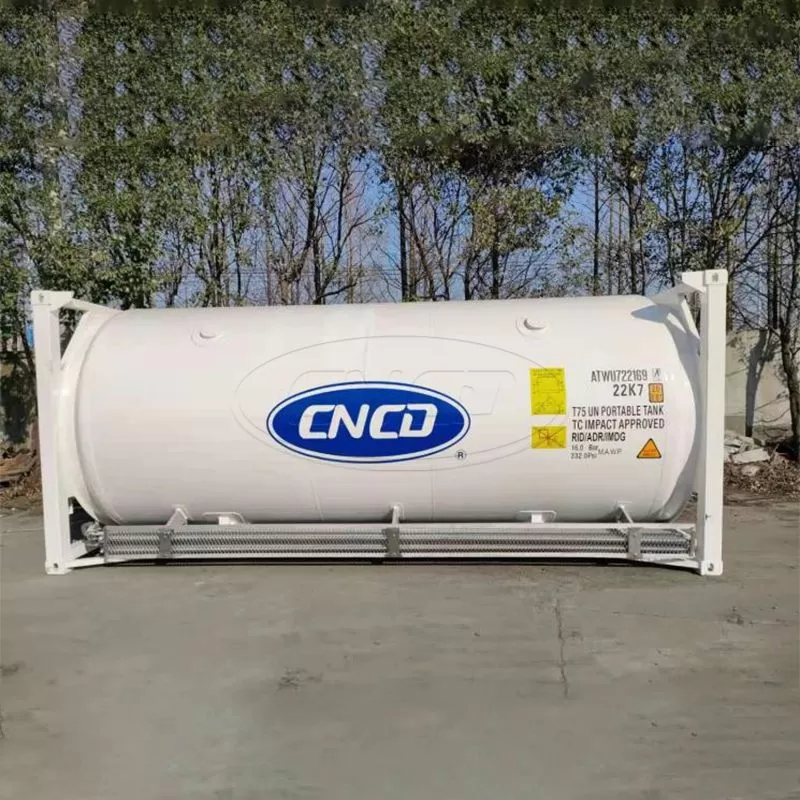
ISO tank containers are reusable containers built to standard dimensions for transporting liquids, gases, and solids. They are designed to handle a wide range of substances, providing a secure and safe means for chemical transport.
ISO Tank Containers can carry hazardous and non-hazardous materials, making them suitable for various industries.
Flexitanks are flexible bags built to fit inside a standard shipping container, allowing them to carry bulk liquids, like chemicals, food products, and oils. They are lightweight and designed for single-use, making them cost-effective for shipping non-hazardous liquids.
ISO Tank Containers follow strict international regulations (like ISO 8323), ensuring high safety standards for transporting hazardous materials. Flexitanks, being less regulated, may pose risks during transport of harmful substances.
| Feature | ISO Tank Containers | Flexitank |
|---|---|---|
| Risk of Leakage | Low due to strong, durable materials. | Higher due to single-use design. |
| Certification | Fully certified for hazardous substances. | Limited certification for hazardous materials. |
| Weight Limit | Higher maximum weight. | Limited by strength of Flexitank material. |
Users have expressed satisfaction with the reliability and durability of ISO Tank Containers, noting their resistance to extreme conditions and reduced risk of contamination. They appreciate their reusability and compliance with safety regulations.
Flexitank users report ease of use and lower shipping costs. However, concerns about leakage and heat sensitivity have been noted, predominantly when transporting sensitive or hazardous liquids.
Organizations handling hazardous materials should prioritize ISO Tank Containers due to their safety and compliance, particularly chemical manufacturers and transporters.
Businesses transporting large volumes of non-hazardous liquids, such as food products or textiles, may find Flexitanks more advantageous due to their cost-effectiveness and ease of use.
While both options have their respective benefits, the decision ultimately lies in the nature of the substances being transported. For enhanced safety, ISO Tank Containers from CNCD offer a secure solution for chemical transport, while Flexitanks cater to industries looking for cost-effective options for non-hazardous liquids. Explore more at CNCD.