Download
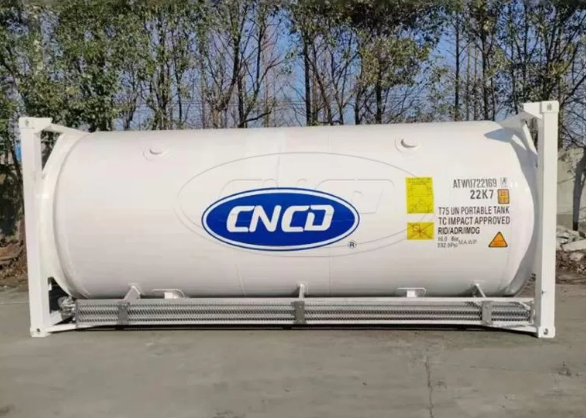
 An ISO Tank Container is a stainless-steel, cylindrical tank mounted within a standardized ISO frame for safe, efficient, and globally compatible transport of bulk liquids. Designed for multimodal operations, ISO tanks combine the durability of a pressure-rated vessel with the logistical convenience of standard container handling systems. They are widely used for chemicals, food-grade liquids, fuels, industrial gases, and specialty liquids across international trade routes.
Why ISO Tank Containers Are Widely Used
Intermodal compatibility – seamless transfer among ship, rail, and truck without repacking.
Lower logistics cost – reduced handling, reduced packaging waste, improved operational efficiency.
Enhanced safety – engineered containment, certified valves, and minimal spill risks.
Temperature & pressure control – suitable for ambient liquids, insulated or refrigerated cargo, and pressurised media.
Sustainable & reusable – fewer single-use drums or IBCs, ideal for eco-driven supply chains.
These advantages make ISO Tank Containers a preferred solution for chemical logistics, food liquid transport, LPG and CO₂ distribution, and intermodal liquid cargo shipping.
Structure and Core Design
Most ISO tanks consist of three components:
Inner tank – typically 316L stainless steel or special alloys, optional internal lining for corrosive liquids.
Insulation or vacuum jacket – used when temperature stability is needed.
ISO outer frame – standardized 20ft or 40ft frame for stacking, lifting, and international transport.
Standard fittings include: top manway, discharge valves, pressure relief devices, gauge ports, and pipeline connections.
Typical Cargo Suitable for ISO Tanks
Petrochemicals & refined fuels (gasoline, diesel, solvents)
Industrial chemicals (acids, resins, polymers)
Food-grade liquids (edible oil, wine, juice, dairy intermediates)
Liquefied gases (LPG, ammonia, CO₂ – with pressure-rated designs)
Specialty liquids (pharma intermediates, high-purity chemicals)
For each cargo, ensure the ISO tank’s material compatibility, valve configuration, and certification meet safety standards.
Common Application Scenarios
To support user search intent, the following use cases are frequently associated with ISO Tank Container procurement:
Chemical logistics – transporting solvents, intermediates, corrosive liquids.
Food-grade supply chain – edible oil export, juice concentrate shipment, wine bulk transport.
LPG transport – energy distribution for industrial and marine sectors.
CO₂ supply – beverage-grade CO₂, dry ice production, greenhouse applications.
Intermodal liquid transport – long-distance multimodal freight corridors.
Regulatory Compliance & Inspection Requirements
CSC plate and periodic structural inspections
IMDG / ADR compliance for hazardous cargo
Pressure tests, leak tests, valve integrity checks
Certified cleaning and purging before switching cargo types
Publishing updated inspection records and cleaning protocols increases buyer confidence and reduces pre-order verification requests.
Frequently Asked Questions
How long does an ISO tank container last?
Typically 15–25 years depending on maintenance, inspection frequency, and cargo type.
Can one tank be used for different liquids?
Yes, provided proper certified cleaning and compatibility checks are performed before loading a new product.
What is the lead time for a new ISO tank?
Lead times vary by specification, usually 45–90 days for customized or insulated models.
Request Technical Datasheet or Quotation
For detailed tank drawings, material certificates, and compatibility guidance, please request our technical datasheet or contact our team directly.