Download
 News
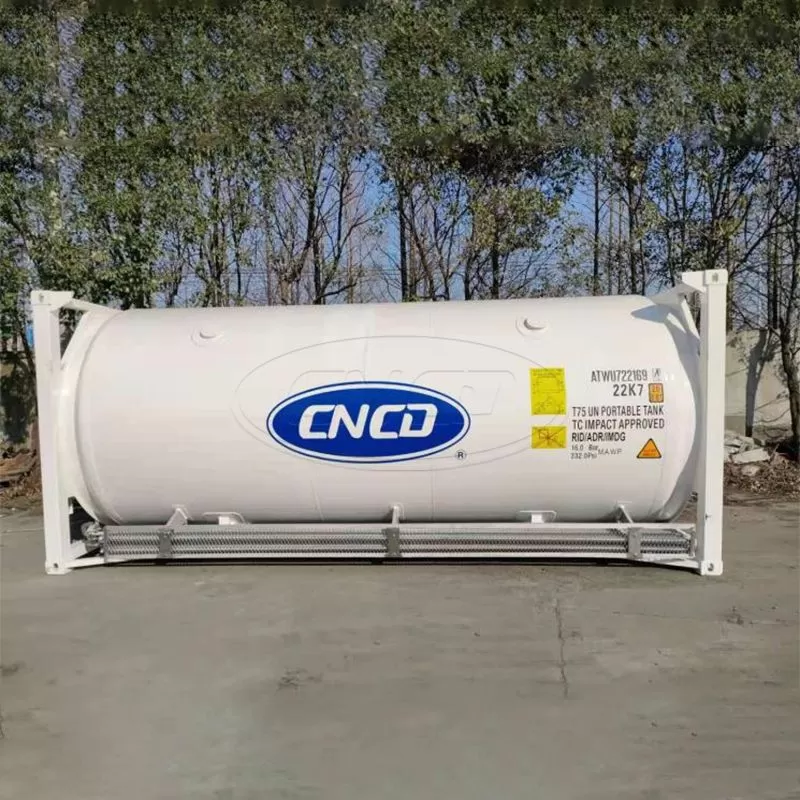
In today’s global trade landscape, one pressing issue that logistics managers often face is the soaring costs associated with traditional freight methods. As demand for efficient and cost-effective logistics solutions grows, many companies find themselves entrenched in rising transportation and operational expenses that threaten their bottom lines. The consequences of not addressing these inefficiencies can ripple throughout an organization, leading to diminished profitability and competitive edge. With fuel prices fluctuating and regulations tightening, the urgency to adopt innovative shipping methods is at an all-time high. This is where ISO tank containers emerge as a practical solution, promising both reduced costs and enhanced operational efficiency.
Understanding the root causes of these logistics challenges is essential for grasping the advantages offered by ISO tank containers. Traditional bulk shipping methods often involve multiple handling processes, increased gas emissions due to inefficient transportation, and sometimes degraded product quality due to inadequate temperature control. Furthermore, these methods frequently require complex supply chain management that can lead to delays and additional costs. When I examine the logistics sector, it\'s clear that inefficiencies arise from outdated practices and a lack of innovative solutions that can effectively streamline operations. The shift toward sustainable and economical shipping is not merely beneficial; it’s necessary for survival in a competitive market.
The impact of these logistics inefficiencies can be significant, particularly for companies transporting hazardous materials or perishable goods. For instance, the chemical and food industries often grapple with stringent regulations that demand not only precision during transportation but also strict adherence to safety protocols. ISO tank containers are designed to meet international safety standards such as ASTM and DIN, providing enhanced security for both the contents and the surrounding environment. As a logistics manager, I’ve seen firsthand how businesses that transition to ISO tank containers reduce their overall logistics costs through decreased turnaround times and minimized product loss.
To substantiate this point, consider a case study involving a chemical manufacturer that switched to ISO tank containers. By doing so, they achieved a 30% reduction in transport costs due to less freight weight and fewer required shipments. Additionally, the company reported a 40% decrease in the volume of material lost during transit, largely attributed to the robust design of ISO tanks that protect against leaks and temperature fluctuations. This is not an isolated instance; trends suggest that businesses adopting ISO tank containers can expect similar or even greater reductions in logistics costs.
Ignoring the logistics inefficiencies inherent in conventional bulk shipping can lead to dire consequences. Not only can businesses suffer from potential compliance issues due to damage to hazardous materials, but they also risk losing market share to more agile competitors. A failure to adapt can lead to increased logistics costs, diminished capacity for scaling operations, and ultimately a decline in customer trust. As markets evolve, so too must the solutions we choose to implement in our logistics strategies.
In conclusion, the adoption of ISO tank containers presents a compelling case for companies looking to streamline their logistics and reduce long-term costs. The ability of these containers to adhere to industry standards while providing safety and efficiency is a game-changer for businesses in sectors ranging from chemicals to food. As logistics management continues to evolve, I urge business leaders to consider embracing ISO tank containers as a sustainable and economically viable solution to their shipping challenges. By investing in modern logistics solutions, you pave the way for enhanced operational efficiency and long-term profitability. For insights and further information about ISO tank containers, check out CNCD\'s Cryogenic Solutions as they can guide you in optimizing your logistics approach through innovative technologies.